
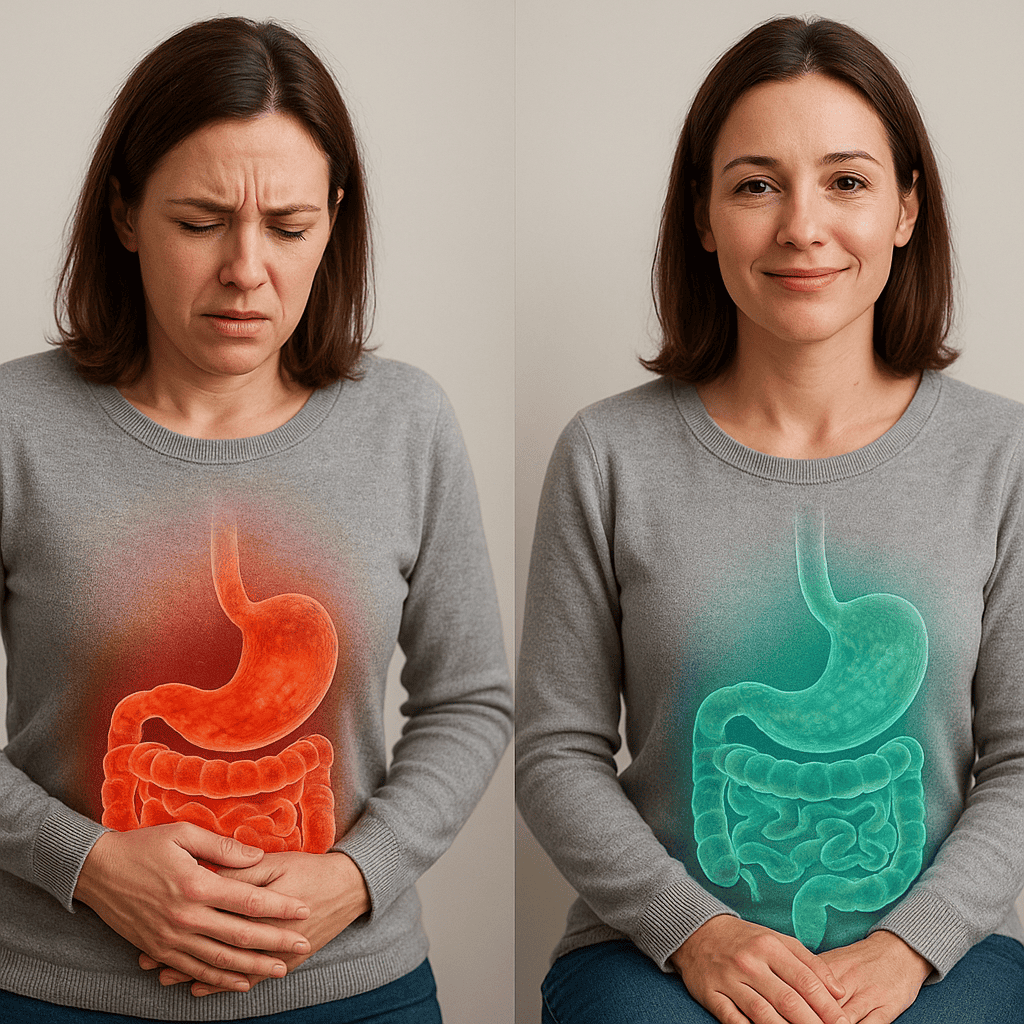

Your stomach churns before a big presentation. You lose your appetite during a difficult breakup. You feel nauseated when anxiety peaks. These aren’t coincidences — they’re your body sending a clear message that your brain and gut are deeply, intimately connected. But while the occasional bout of stress-related stomach upset is something most people brush off, chronic stress is a different story entirely. When stress becomes a permanent fixture in your life rather than a temporary visitor, the consequences for your gut can be serious, long-lasting, and surprisingly far-reaching.
Research published in journals like Nutrients and supported by studies from the NIH has shown that prolonged psychological stress doesn’t just make you feel bad mentally — it physically alters the landscape of your digestive system, disrupts the trillions of microorganisms living in your gut, and sets the stage for a cascade of health problems. Understanding this connection is the first step toward doing something about it.
Understanding the Gut-Brain Axis
The gut and the brain are in constant two-way communication through a complex network known as the gut-brain axis. This system involves the enteric nervous system (often called the “second brain”), the vagus nerve, the immune system, and the gut microbiome — all working together in a sophisticated feedback loop.
The enteric nervous system contains roughly 500 million neurons lining the gastrointestinal tract, which is more than the spinal cord. It can operate independently of the brain, but it’s continuously influenced by signals traveling down from above. When your brain perceives stress — whether it’s a work deadline, financial pressure, or relationship conflict — it activates the hypothalamic-pituitary-adrenal (HPA) axis and triggers the release of stress hormones like cortisol and adrenaline.
These hormones are designed to prepare you for immediate threat. The problem? Your body can’t tell the difference between running from a predator and worrying about your mortgage. And when the stress response stays switched on day after day, the gut pays a steep price.
How Chronic Stress Damages the Gut
Disruption of the Gut Microbiome
Your gut microbiome is a vast ecosystem of bacteria, fungi, viruses, and other microorganisms — approximately 38 trillion microbial cells in total. These microbes are essential for digestion, immune function, mood regulation, and even brain health. A healthy microbiome is diverse, balanced, and resilient. Chronic stress throws that balance into chaos.
Studies have consistently shown that elevated cortisol levels reduce the diversity of beneficial bacteria like Lactobacillus and Bifidobacterium, while creating conditions that allow potentially harmful bacteria to thrive. This imbalance — known as dysbiosis — has been linked to irritable bowel syndrome (IBS), inflammatory bowel disease (IBD), leaky gut syndrome, and even anxiety and depression.
A 2020 review published in PMC found that stress-induced changes to the microbiome can alter serotonin production in the gut. Remarkably, about 90% of the body’s serotonin is produced in the gut, meaning that a disrupted microbiome doesn’t just affect digestion — it affects your mood, sleep, and mental health too.
Increased Intestinal Permeability (Leaky Gut)
The lining of your intestine is only one cell thick. It acts as a highly selective barrier, allowing nutrients to pass into the bloodstream while keeping out harmful substances. Chronic stress compromises this barrier by reducing the production of tight junction proteins that hold intestinal cells together.
When this barrier weakens, bacterial toxins, undigested food particles, and other harmful compounds can “leak” into the bloodstream — a phenomenon commonly referred to as leaky gut. This triggers a systemic inflammatory response that’s been associated with conditions ranging from food sensitivities and skin problems to autoimmune disorders and fatigue.

Slowed or Disrupted Gut Motility
Stress hormones directly influence how quickly (or slowly) food moves through your digestive tract. For some people, chronic stress slows motility, leading to bloating, constipation, and discomfort. For others, it speeds everything up, causing diarrhea and urgency. This inconsistency is one reason why stress is such a significant trigger for people with IBS — a condition affecting an estimated 10–15% of the global population.
Altered Stomach Acid and Enzyme Production
The digestive process requires precise amounts of stomach acid and digestive enzymes. Chronic stress can suppress the production of both, impairing your ability to properly break down food and absorb nutrients. Over time, this can lead to nutritional deficiencies even in people who eat a relatively healthy diet.
The Long-Term Effects of Stress on the Digestive System
Short-term stress might cause a stomachache before a job interview. But the long-term effects of stress on the digestive system are considerably more serious. Prolonged exposure to elevated cortisol has been linked to:
- Chronic inflammation throughout the gastrointestinal tract
- Increased risk of developing or worsening IBS and IBD
- Greater susceptibility to gut infections due to immune suppression
- Worsening of conditions like GERD (acid reflux) and peptic ulcers
- Disrupted appetite regulation, contributing to overeating or undereating
- Reduced production of short-chain fatty acids, which are critical for colon health
The relationship is also bidirectional. A damaged gut microbiome can amplify the stress response, creating a vicious cycle that becomes increasingly difficult to break. This is why addressing gut health and stress management simultaneously tends to produce better outcomes than tackling either in isolation.
How to Fight Back: Practical Strategies to Protect Your Gut
How Do You Stop Stress From Affecting Your Gut?
The short answer: you address both the stress itself and the gut damage it causes. Here’s how to approach it from multiple angles.
1. Prioritize a Gut-Supportive Diet
What you eat has a profound effect on microbiome diversity and gut barrier integrity. Focus on:
- Fermented foods like yogurt, kefir, kimchi, sauerkraut, and kombucha to replenish beneficial bacteria
- Prebiotic-rich foods like garlic, onions, leeks, asparagus, and bananas to feed those bacteria
- High-fiber foods including legumes, oats, fruits, and vegetables to support regular motility and short-chain fatty acid production
- Anti-inflammatory foods such as fatty fish, olive oil, berries, and leafy greens to counter stress-induced inflammation
- Minimizing ultra-processed foods, excess sugar, and alcohol, all of which worsen dysbiosis
A simple 3-day gut reset can be a powerful starting point if your digestive system feels off. Focus on eliminating processed foods, alcohol, and refined sugar while eating plenty of vegetables, fiber-rich whole grains, fermented foods, and staying well hydrated. This won’t undo months of stress damage overnight, but it gives your gut a fighting chance to begin rebalancing.
2. Manage Cortisol Through Daily Stress Reduction
Since cortisol is a primary driver of gut disruption, directly targeting your stress response is essential. Evidence-based approaches include:
- Mindfulness meditation: Even 10 minutes daily has been shown to reduce cortisol levels and improve gut symptoms in people with IBS
- Deep breathing exercises: Activating the vagus nerve through diaphragmatic breathing shifts the body from “fight or flight” to “rest and digest,” literally improving gut motility
- Regular physical activity: Moderate exercise reduces cortisol, increases microbiome diversity, and improves gut motility — a triple win for gut health
- Adequate sleep: Poor sleep elevates cortisol and worsens gut permeability; most adults need 7–9 hours per night
3. Support Gut Barrier Integrity
To help settle gut inflammation and repair a compromised gut lining, certain nutrients and habits deserve attention:
- L-glutamine: An amino acid that serves as a primary fuel source for intestinal cells and supports tight junction integrity
- Zinc: Found in meat, seeds, and legumes, zinc is critical for gut lining repair and immune function
- Omega-3 fatty acids: Found in fatty fish and flaxseeds, these help reduce intestinal inflammation
- Bone broth: Contains collagen, glycine, and glutamine, all of which are thought to support the gut lining
- Reducing NSAID overuse: Regular use of ibuprofen and aspirin can worsen gut permeability
4. Address Archaea and Microbial Imbalances Naturally
Archaea are a lesser-known group of microorganisms in the gut — distinct from bacteria — that can contribute to digestive problems like bloating and constipation when they overgrow. Naturally reducing excess archaea involves many of the same strategies used to improve overall microbiome health: reducing high-sugar and refined carbohydrate intake (which fuels microbial overgrowth), increasing dietary fiber to support competitive beneficial bacteria, and considering probiotic supplementation after consultation with a healthcare provider.
5. Consider the Role of Social Connection and Therapy
Psychological interventions have measurable effects on gut health. Cognitive-behavioral therapy (CBT) has been shown in clinical trials to significantly reduce IBS symptoms. Strong social connections reduce chronic stress activation. Even something as simple as spending time with people you enjoy lowers cortisol and supports the parasympathetic nervous system — the division of your nervous system that governs digestion.
The Cortisol-Gut Health Connection: A Summary
Cortisol isn’t inherently bad — it plays essential roles in regulating blood sugar, reducing inflammation acutely, and managing energy. The problem arises when cortisol levels remain chronically elevated due to persistent psychological stress. Over time, this suppresses immune function, disrupts microbial balance, thins the gut lining, and impairs digestive function at nearly every level.
Keeping cortisol in check through consistent lifestyle habits — not just occasional self-care — is one of the most powerful things you can do for your long-term gut health. It’s also worth remembering that maintaining daily self-care routines can play a meaningful role in reducing psychological stress and supporting overall wellbeing.
Bringing It All Together
The relationship between chronic stress and gut health is one of the most well-documented and clinically significant connections in modern medicine. Stress doesn’t stay in your head — it travels directly into your gut, reshaping the microbial landscape, weakening protective barriers, disrupting digestion, and fueling inflammation. And a damaged gut, in turn, amplifies psychological distress, creating cycles that are hard to escape without deliberate intervention.
The encouraging news is that the gut is remarkably resilient. With consistent effort across diet, stress management, sleep, and physical activity, it’s possible to meaningfully restore balance. No single strategy works in isolation, but together, these approaches address the gut-brain connection from both ends — reducing the stress signals that cause damage and providing the nutritional building blocks needed for repair.
Understanding the science behind this connection empowers you to make choices that protect not just your digestive health, but your mental wellbeing, immune function, and overall quality of life for years to come.